

Essential details
Shipping:Express delivery
Product Introduction
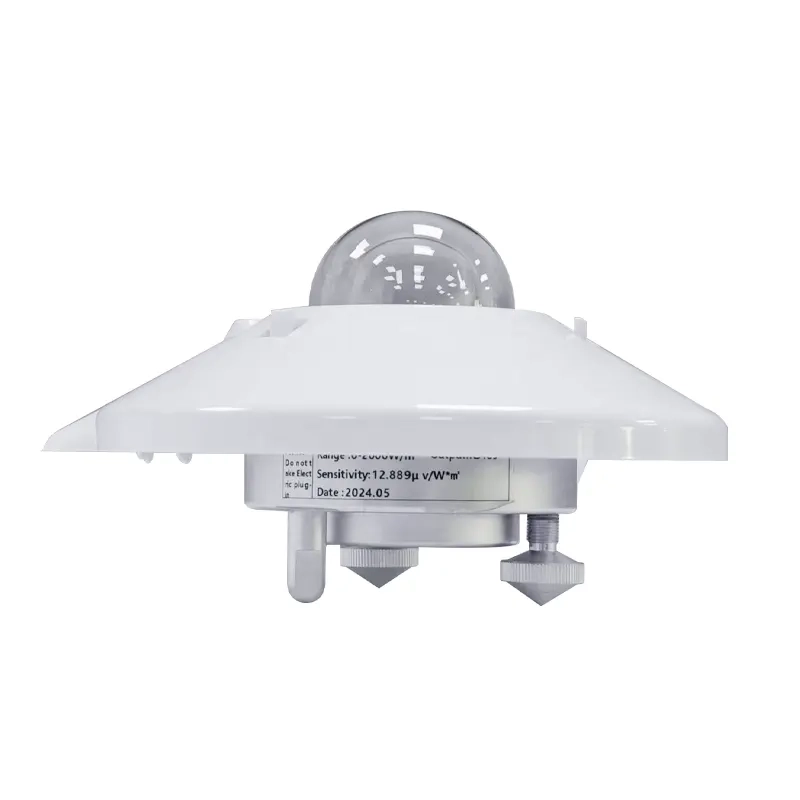
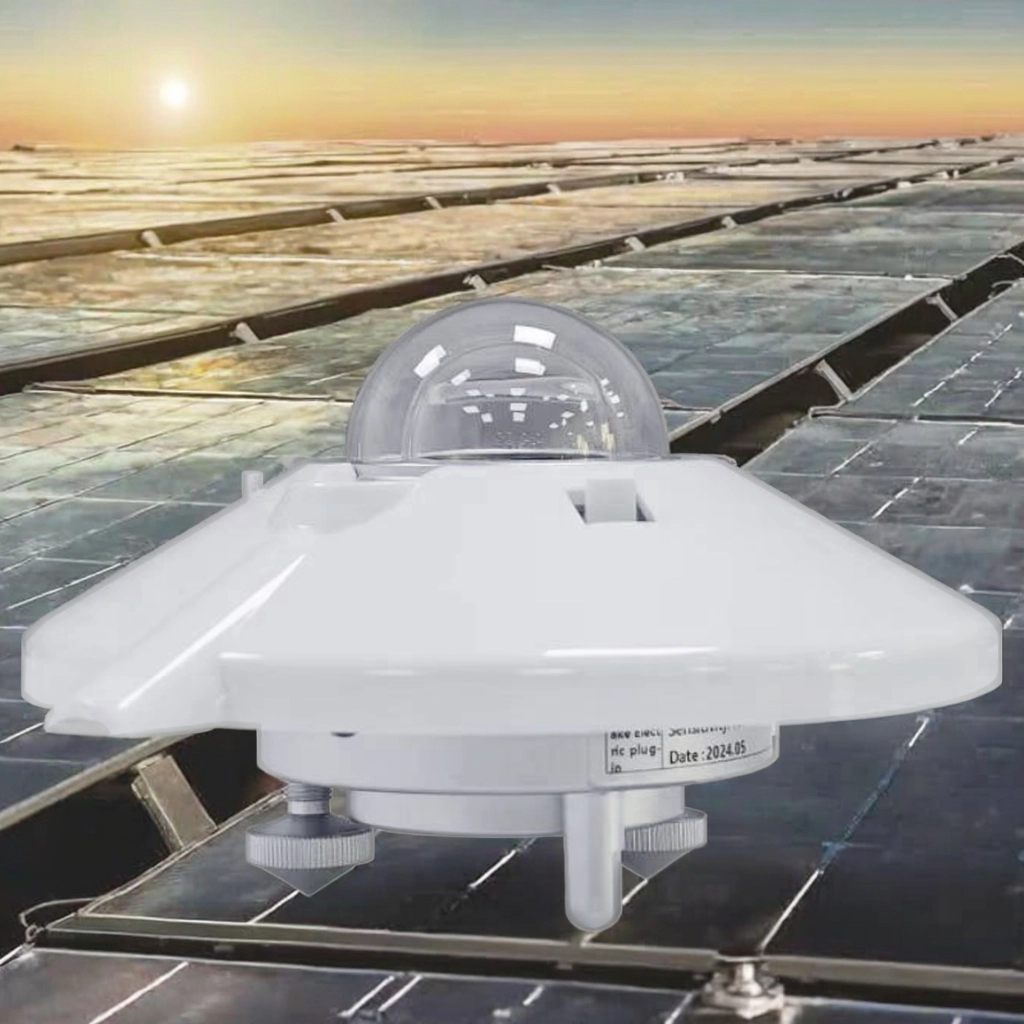
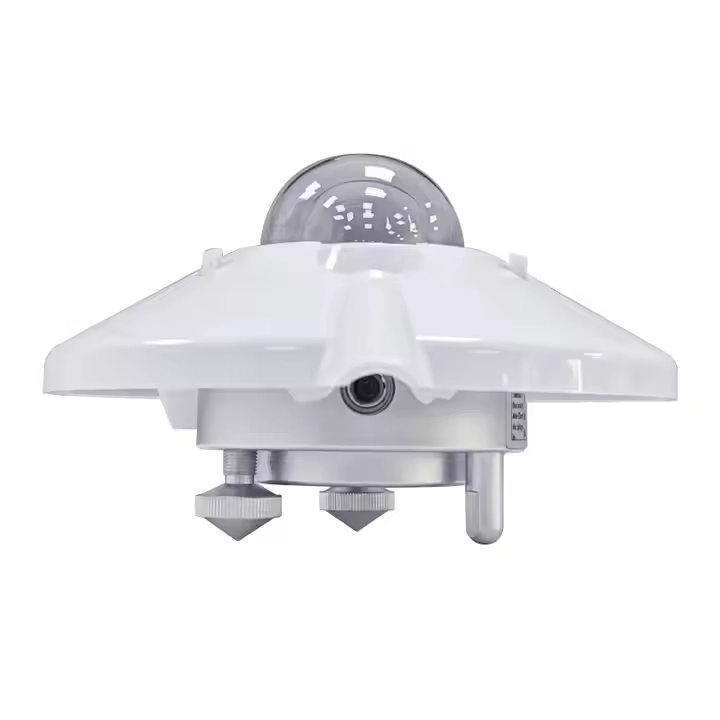
Our Class A/B Pyranometers deliver laboratory-grade accuracy for solar radiation measurement, engineered to match stringent ISO 9060:2018 standards. The Class A sensor (≤2% uncertainty) meets research-level demands, while Class B offers industrial reliability at competitive pricing. Designed as a high-performance alternative to OTT pyrnometers, they combine low thermal drift, broadband spectral response (280-3000nm), and ruggedized construction for permanent outdoor deployment.
◀◀ Key Selling Points ▶▶


How It Works
Thermopile Sensing Core:
Converts absorbed solar energy (W/m²) into a millivolt signal via a black-coated thermopile, ensuring uniform spectral absorption.
Dome-shielded design minimizes cosine error for accurate diffuse/direct radiation measurement.
Smart Output & Compensation:
Active temperature compensation maintains ±1% stability across -40°C to +80°C.
Configurable outputs: 4-20mA, 0-5V, or RS485 (Modbus RTU) for seamless integration with SCADA/IoT gateways.
◀◀ Product Parameters ▶▶
This sensor excels in scenarios where dependable, real-time solar data enhances operational efficiency, sustainability, and research validity, all within a moderate budget.
ISO/WMO Pyranometer Technical Specifications
| Parameter | TBQ(L-B) | TBQ(L-A) |
|---|---|---|
| Level | National Standard Level 1 | High Precision / Good Quality |
| Response Time (95% response) | <10 s | <5 s |
| Stability (Annual drift, %FS) | ±2% | ±1.5% |
| Non-linearity | ±1% (at 100~1000 W/m²) | ±1.5% (full scale) ±1% (at 100~1000 W/m²) |
| Sensitivity Range | 7–14 μV/(W/m²) | 7–14 μV/(W/m²) |
| Operating Temperature | -40 to 80 °C | -40 to 80 °C |
| Internal Resistance | <30 Ω | <10 Ω |
| Measuring Range | 0–2000 W/m² | 0–2000 W/m² |
| Spectral Range | 280–3000 nm | 280–3000 nm |
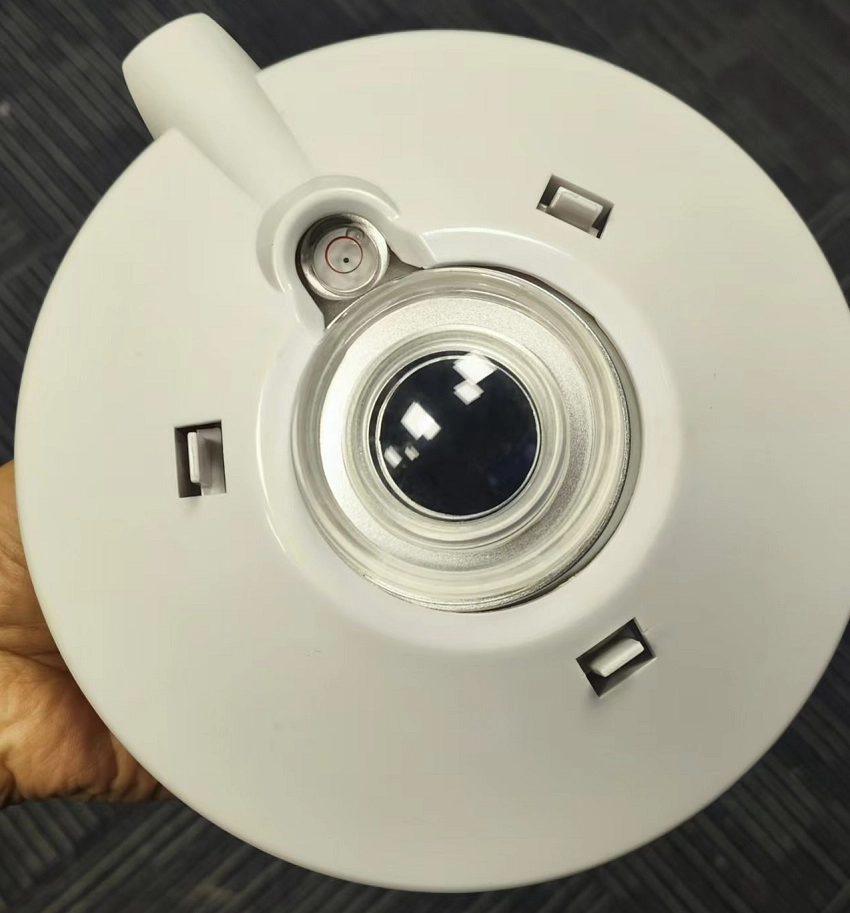
| Horizontal Calibration | Includes bubble level & adjustable feet | Includes bubble level & adjustable feet |
| Weight (excluding cable) | 0.8 kg | 0.8 kg |
| Protection Level (IP) | IP67 | IP67 |
| Calibration Cycle | Every 2 years | Every 2 years |
| Output Signal (No external transmitter) | 0–20mV / RS485 / 4–20mA | 0–20mV / RS485 / 4–20mA |