

Definition
ORP (Oxidation-Reduction Potential) is a measurement (in millivolts, mV) of how strongly a solution can either gain or lose electrons in chemical reactions.
Positive ORP values indicate an oxidizing environment (more likely to kill bacteria or break down organics)
Negative ORP values indicate a reducing environment (more likely to support microbial activity)
◀◀ Key Selling Points ▶▶
1. High Accuracy and Stability: Offers a measuring range of -1500mV to +1500mV with a resolution of 1mV and an accuracy of ±6mV, ensuring precise and reliable ORP measurements.
2. Durable Construction: Made with ABS and 316L stainless steel, the sensor is highly resistant to corrosion and suitable for harsh industrial environments.
3. Dual High-Impedance Differential Amplifiers: Provides strong anti-interference capabilities and fast response times, making it ideal for environments with electrical noise.
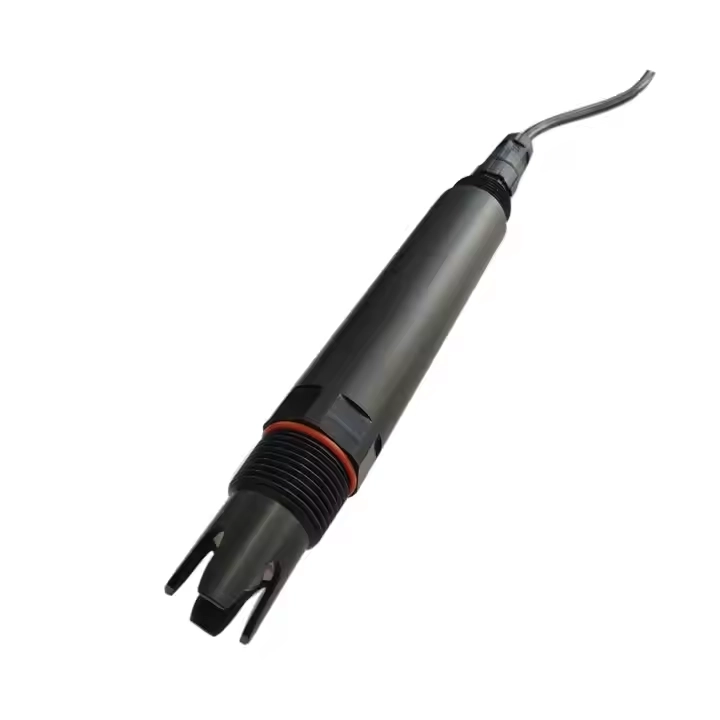
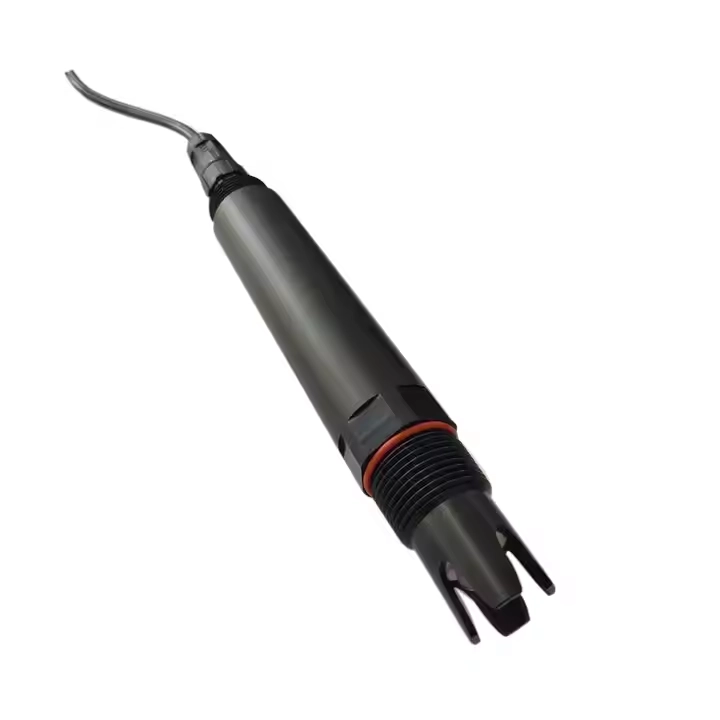
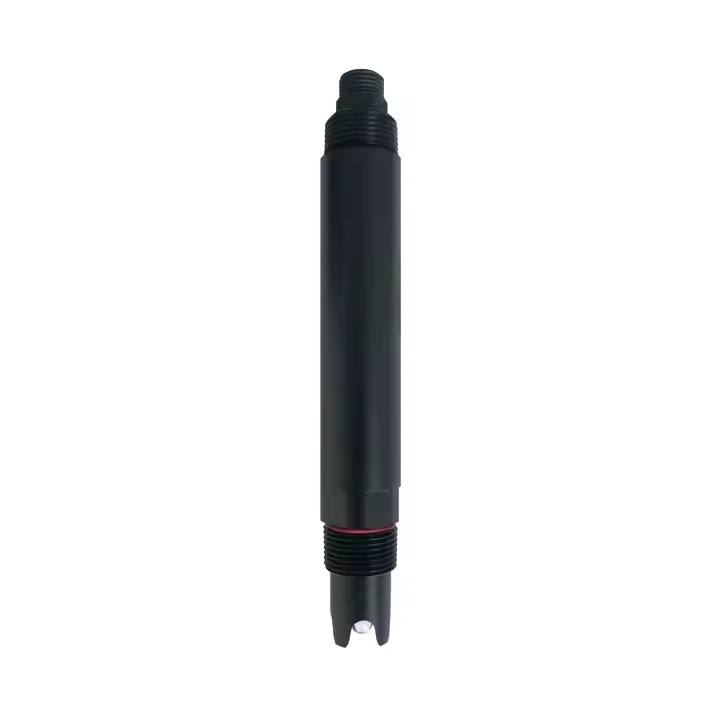
4. Easy Installation: Features a 3/4 NPT threaded design for easy immersion or pipeline installation, with a waterproof M16-5 core connector for secure connections.
5. Low Maintenance: The patented ORP electrode design extends electrode life by up to 20 months, reducing the need for frequent replacements and maintenance.
6. Versatile Communication Options: Supports RS485 Modbus/RTU and 4-20mA current output, enabling seamless integration with PLCs, DCS systems, and other industrial equipment.
7. IP68 Protection: Fully waterproof and dustproof, making it suitable for immersion in water, including seawater, and operation in challenging environments.
8. Energy-Efficient: Consumes only 0.2W at 12V, making it an energy-efficient solution for continuous monitoring.
9. One-Point Calibration: Simplifies the calibration process, reducing setup time and ensuring accurate measurements.
◀◀ Product Parameters ▶▶
Measuring Range | -1500mV~+1500mV |
Resolution | 1mV |
Accuracy | ±6mV, ±0.5°C |
Working temperature | 0~65°C |
Working pressure | <0.1MPa |
Power supply | 12~24VDC ±10% |
Signal output | RS485 Modbus-RTU, 4~20mA |
Wetted material | ABS and 316L stainless steel |
Installation | Immersion mounting, 3/4 NPT thread |
Cable length | 5 meters or others |
Calibration | One point calibration |
Power consumption | 0.2W@12V |
Protection grade | IP68 |
How It Works
The sensor has a measuring electrode (usually platinum) and a reference electrode.
It detects voltage differences caused by electron transfer between oxidizing and reducing agents in the water.
This voltage (ORP value) gives insight into the water's chemical properties.
◀◀ Application Scenarios ▶▶
1. Environmental Water Quality Monitoring: Used in rivers, lakes, and reservoirs to monitor ORP levels and detect contamination.
2. Industrial Water Treatment: Ideal for monitoring ORP levels in industrial water treatment processes, ensuring compliance with environmental regulations.
3. Chemical Processes: Suitable for monitoring ORP in acid, alkali, and salt solutions during chemical reactions and industrial production processes.
4. Aquaculture: Helps maintain optimal ORP levels in fish farms and aquaculture systems to ensure healthy aquatic environments.
5. Swimming Pools and Spas: Ensures water quality in recreational facilities by monitoring ORP levels.
6. Food and Beverage Industry: Used to monitor ORP levels in food and beverage production processes, ensuring product quality and safety.
7. Wastewater Treatment: Monitors ORP levels in wastewater treatment plants to ensure proper treatment and discharge.
Why It's Useful
ORP sensors give a real-time, chemical-free snapshot of water’s ability to neutralize contaminants.
Often used with pH sensors to provide a fuller picture of water chemistry.